
A look at why we built BrandIDs and why we think the future of hiring is better human understanding.
Last Wednesday at a Tech Week panel, someone asked me which parts of the job search I thought would embrace AI first and which would resist it the longest. My answer surprised them. I don't think AI is coming for hiring. I think it's already here.
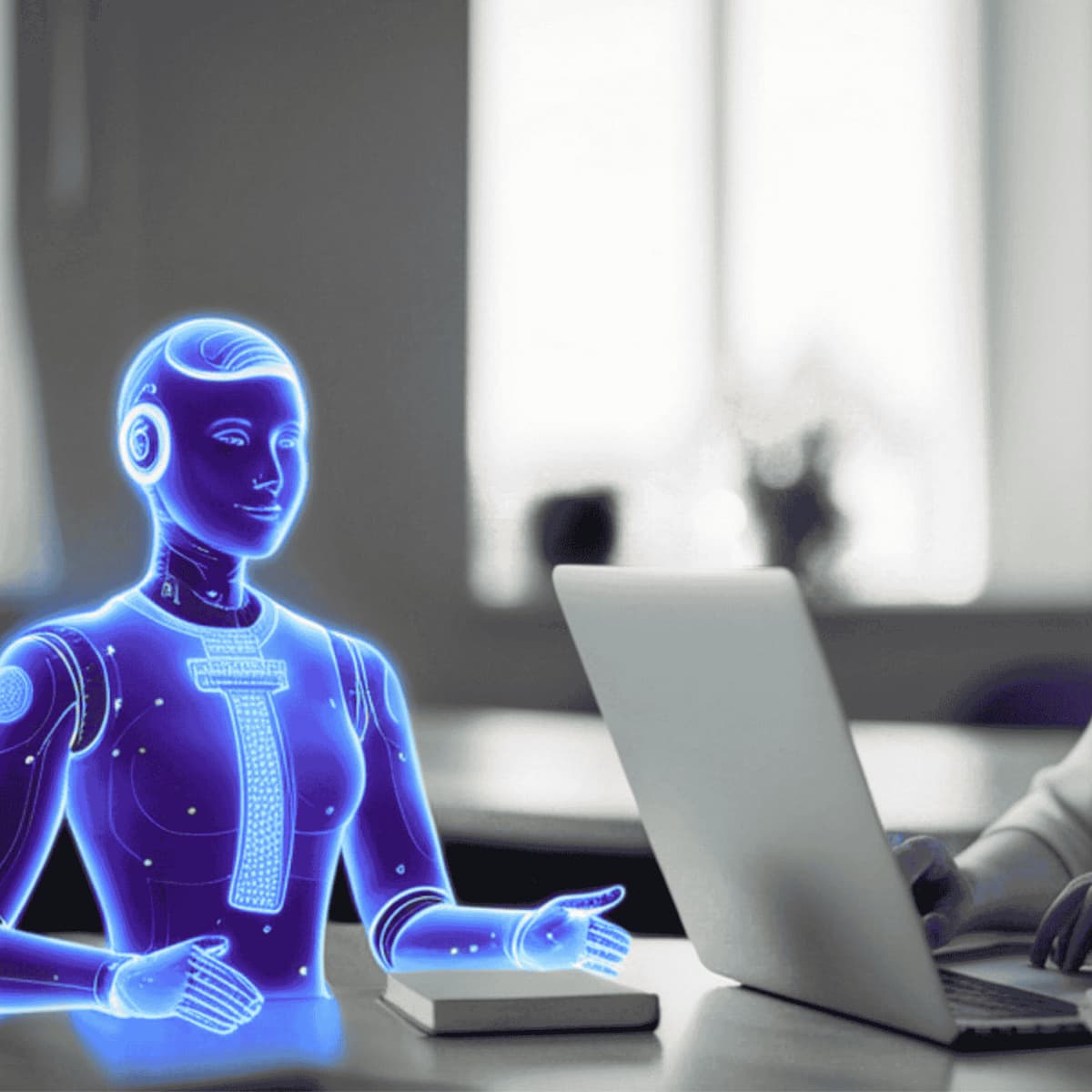
Candidates are using AI to write resumes, cover letters, and applications. Recruiters are using AI to screen, rank, and evaluate candidates. That transition isn't incoming. It's already happened. The tools have changed. But the systems and norms built around those tools have not.
Resumes, applications, applicant tracking systems, interview processes, and hiring expectations were designed for a world where creating professional materials required significant time and effort. They were built around a fundamental assumption: that the application itself was a scarce signal. AI breaks that.
When anyone can generate a polished resume in minutes, the value of the resume changes. When anyone can write a compelling cover letter, the cover letter becomes less informative. When applications can be submitted at unprecedented scale, volume stops being a meaningful signal. The tools changed first. But the infrastructure around them is still resisting.
The job search used to be a numbers game. Today it's becoming a narrative game.
The challenge is no longer getting an application into the pile. The challenge is creating enough meaningful signal to stand out once you're there. When differentiation becomes harder, people fall back on what they trust: referrals, warm introductions, recognizable schools, and existing networks. That's part of what concerns me most.
The students who stand to benefit the most from new opportunities are often the ones with the least access to those networks. If we continue down the current path, genuine talent becomes harder to identify while existing advantages become even more entrenched.
I don't think the future of hiring is better keyword matching. Or applicant-tracking systems. Or AI-generated resume tools.
At ESAI , we think it's better human understanding. We've spent the last several years helping students better understand and communicate their stories. Through that work, we've come to a simple conclusion: differentiation comes from identity.
The challenge is that our professional identity infrastructure was built for a different era. Resumes were designed to summarize a person at a single point in time. LinkedIn profiles were designed to be largely static. Both made sense in a world where professional materials required significant effort to create and opportunities changed slowly. Today, both people and opportunities evolve faster than the documents meant to represent them.
That's why we built BrandIDs. A BrandID is a living portfolio of who you are and how you think, and what makes you distinct.
Unlike a resume, that can only summarize your past, our BrandID surfaces the signals that better explain your experience and highlight your future potential. BrandIDs are created through conversations with Brandi, our AI voice agent. Through a process we call Sideways Self Discovery, Brandi helps users uncover the experiences, interests, opinions, motivations, strengths, and stories that rarely make it onto a resume but often explain what makes someone unique.
But understanding yourself is only half the equation. The other half is understanding the opportunity. At ESAI, we call this Identity Intelligence: the combination of Narrative Intelligence (understanding yourself) and Contextual Intelligence (understanding the opportunity).
Imagine two students applying for the same marketing internship. Both have strong GPAs, leadership experience, and relevant coursework. On paper, they look nearly identical.
A BrandID might reveal that one student spent years helping run their family's restaurant, is fascinated by consumer psychology, and spends weekends building niche online communities around topics they care about. Those experiences tell us something different than a resume bullet point. They provide signal. And if that student is applying for a marketing role, those qualities may be especially relevant.
If the same student applies for a consulting role, different parts of their identity may become more important. Their curiosity, analytical thinking, or ability to navigate ambiguity may deserve more attention than their interest in brand building.
The goal isn't to create a single static version of yourself. It's to surface the most meaningful and relevant signals about who you are in a given context while remaining authentically you.
One of the most common questions we've received since introducing BrandIDs is: What do I do with one?
Use it anywhere someone would benefit from understanding more than your resume can communicate. Publish it. Share it. Add it to your LinkedIn profile. Include it alongside applications. Send it to recruiters. Share your BrandID anywhere a static, one-pager fails to capture who you really are.
Do we expect BrandIDs to replace resumes tomorrow? No. But I do think we're moving toward a world where professional identity becomes far more dynamic.
For decades, we relied on resumes to evaluate talent. That made sense when they were difficult to create and difficult to distribute. Then the internet changed how we represent ourselves professionally. Platforms like LinkedIn shifted our identities online, making applicants searchable, shareable, and easier to connect with. A meaningful shift. But still largely a static one.
Now in the AI era, job opportunities emerge overnight, careers evolve faster, and professional materials can be generated in seconds. As people learn, change, build, and reinvent themselves, information moves faster than documents designed to represent them. The tools changed.The systems didn't.
We're still trying to understand dynamic human beings through increasingly static representations of who they are. And that's where the next generation of innovation will happen. Not in helping people sound more impressive, but in helping people become more understandable. Because people are still trying to answer the same questions:
"Who is this person?" "What makes them different?" "How do they fit in this context?"
Those questions don't have one-page answers because human beings were never meant to be reduced to bullet points. Our experiences compound. Our interests evolve. The way we create value changes over time. The future of professional identity won't be static. It won't be one-dimensional. And it definitely won't fit on a single page. That's the future we're building toward.
BrandIDs are our bet that the next iteration of professional identity will be living, contextual, and continuously evolving, just like the person it represents.