When I started applying to adult jobs, one of the first things I learned was how to tailor a resume.
You surface the most relevant experience, prioritize what maps to the role, and tweak your bullets to mirror the language in the job description. It felt a little unnatural at first, like I was reshaping my experiences depending on what someone else was looking for, but it worked. And pretty quickly, it became obvious why. The same experience can tell very different stories depending on what someone is looking for.
Even in college, with pretty limited experience to work with, I remember noticing the disconnect between this resume I was manually rewriting for every application and the LinkedIn profile attached to it. One required painstaking edits each time — tweaking bullets, reordering experiences, trying to match what I thought employers wanted. It was constantly changing out of necessity, but time-consuming to maintain. The other didn’t change at all.
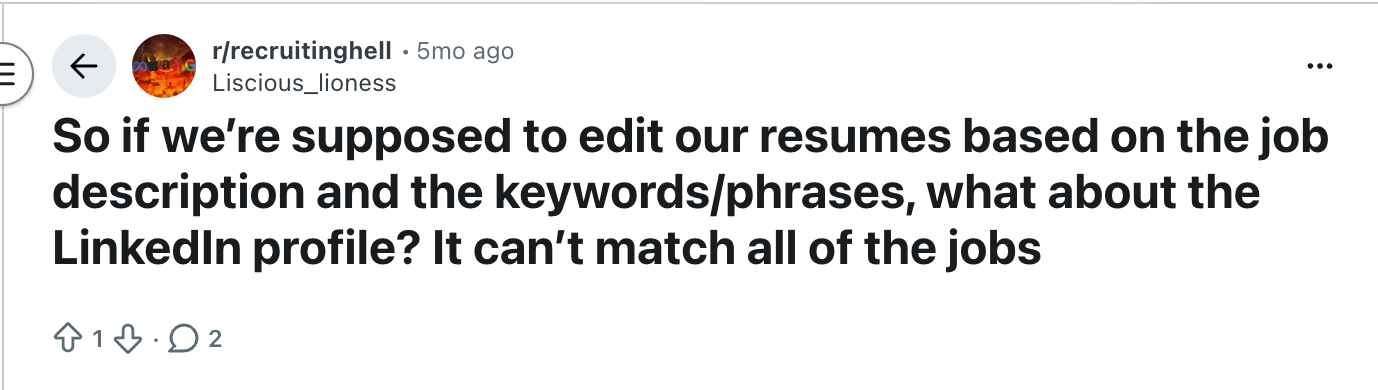
It raised a simple question: why is the most digitally-native version of our professional identity the most static?
The resume assumes something that is increasingly untrue — that your work can be neatly summarized once and applied everywhere. But most careers don’t work like that anymore. They’re nonlinear, iterative, and full of side projects, pivots, and half-formed interests that only make sense in hindsight. And depending on the context, different parts of that story matter more than others.
Part of the breakdown is also a format mismatch. Gen Z grew up in feeds, not files. Content is dynamic, personalized, and constantly updating. You don’t consume the same version of anything twice, so it’s strange that your identity is forced to remain static, frozen in a single version of yourself. And yes, I realize I’m writing this on LinkedIn, a platform that sits somewhere between a professional network and social media, but the tension is part of the point.
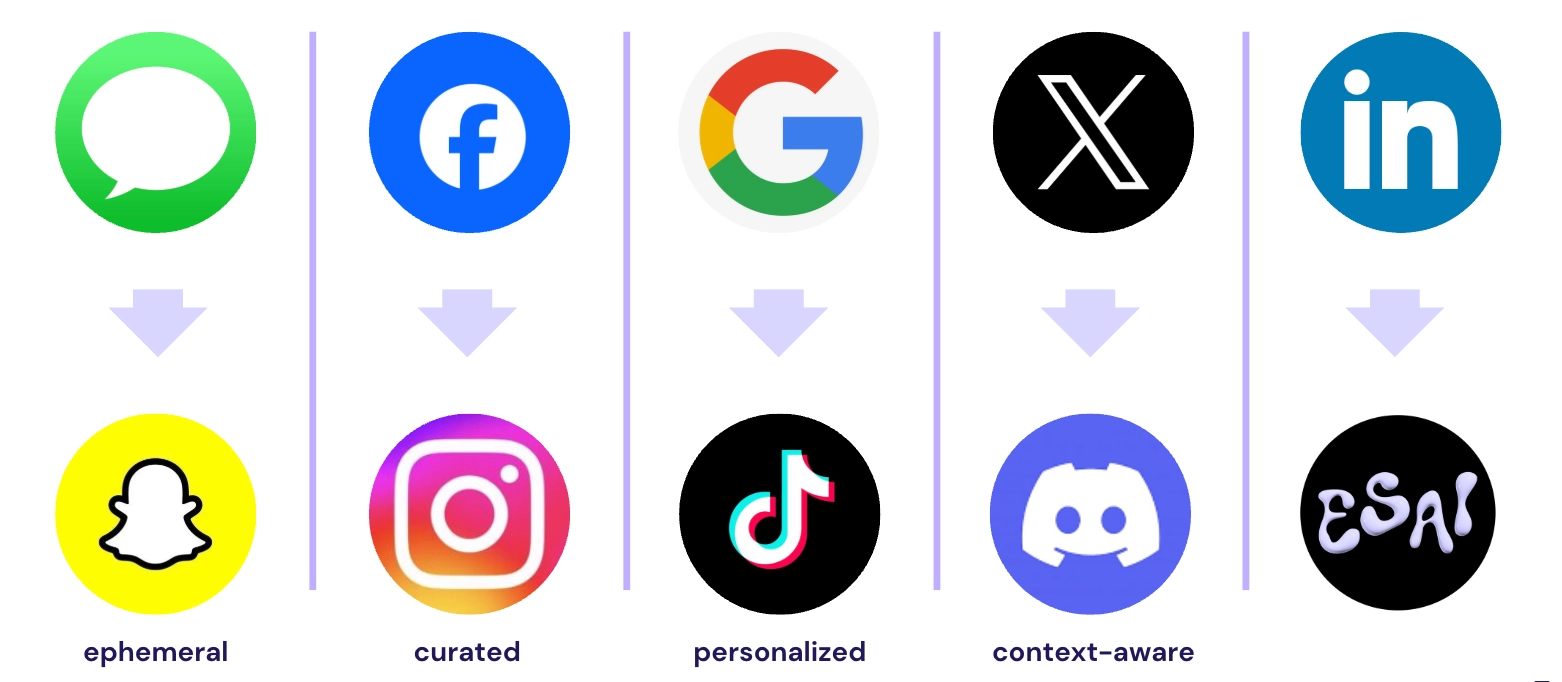
At the same time, what actually matters in the workforce is shifting. As AI automates execution, differentiation moves toward interpretation - how you think, how you communicate, how you connect dots, how you make meaning out of your experiences. The question is less “what can you do?” and more “how do you make sense of what you’ve done?”
Take myself as an example. I’ve had a pretty non-linear path as a marketer, college advisor, now a tech founder. If I decided tomorrow to leave ESAI 🔮 and apply for a role in any one of those areas, the way I’d want to present myself would look wildly different depending on the direction. For a marketing role, I’d lean into growth, content, and distribution. For advising, it would be student outcomes and one-on-one work. For a founder-type role, it’s vision, product, and building from zero. The leadership frameworks I'd use would differ. Even the headshot I choose might vary from role to role.
Play
All of those versions of my identity are true. They’re all me. But the context shifts what matters. We intuitively understand this, which is why we tailor resumes and cover letters in the first place. But it makes the idea of a single, fixed profile harder to justify. Especially with the capabilities unlocked by emerging tech.
The issue isn’t that the resume is too short. It’s that identity itself isn’t static. It’s contextual, and increasingly, it needs to be responsive.
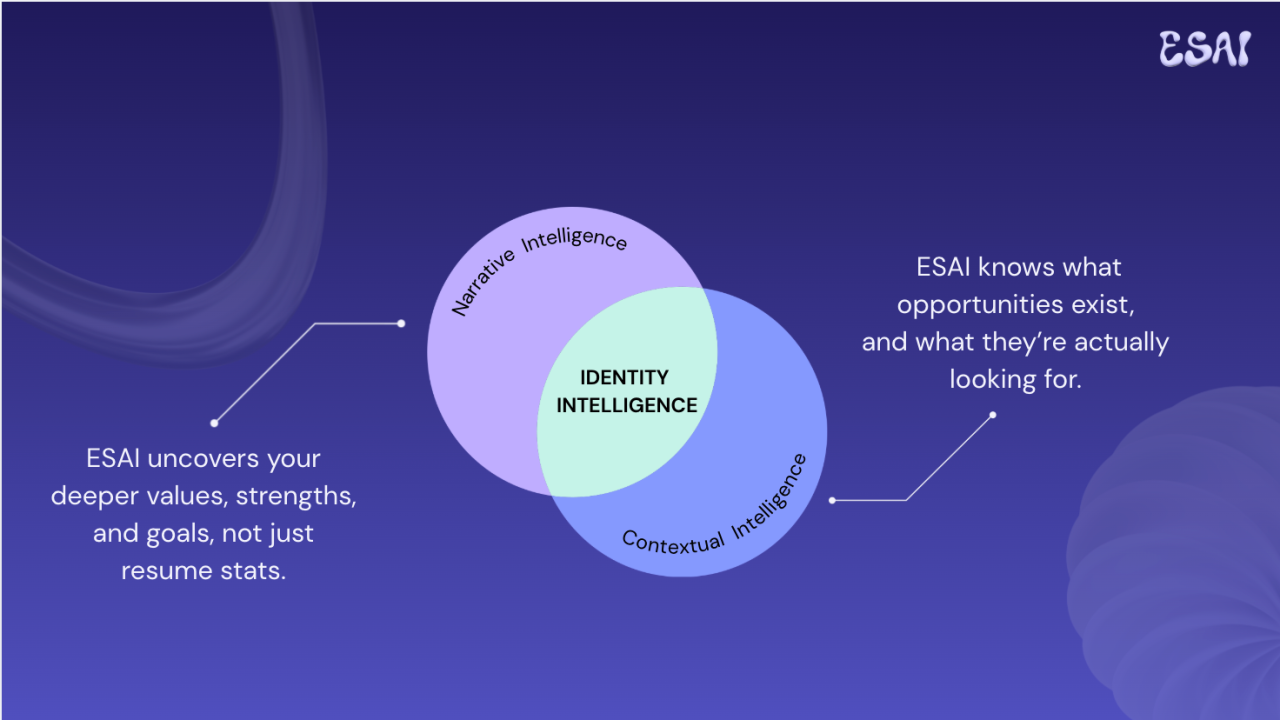
What replaces the resume isn’t just a better format, but a different system. One that evolves as you do, adapts to different opportunities, and surfaces the right signals depending on context. Something that reflects not just what you’ve done, but how you think.
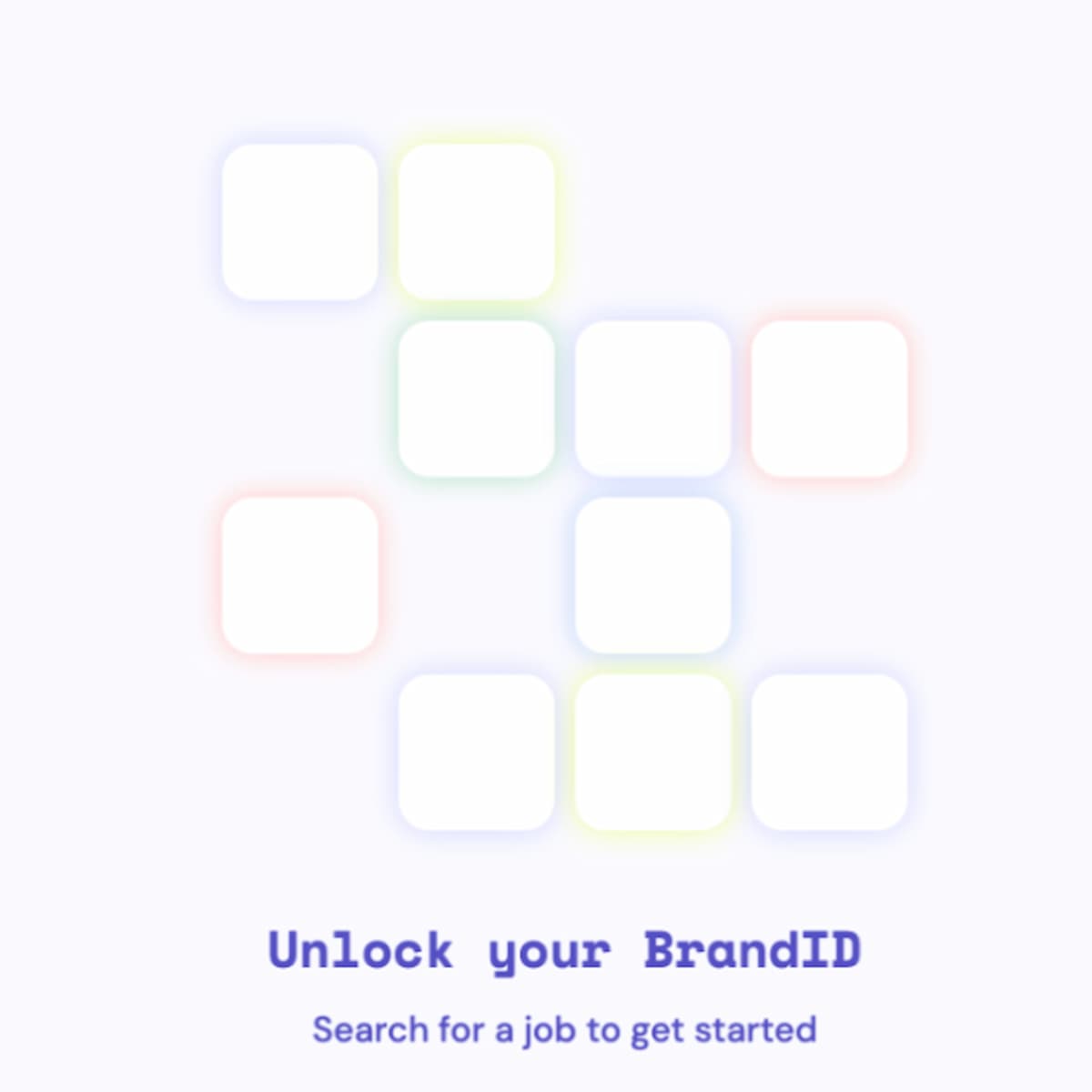
We’ve been exploring this idea internally through something we call “BrandIDs” - dynamic profiles that shift automatically based on where someone is applying and what matters in that moment. Not as a perfect solution, and not as an overnight replacement for the resume, but as a glimpse into where applying and hiring is heading.
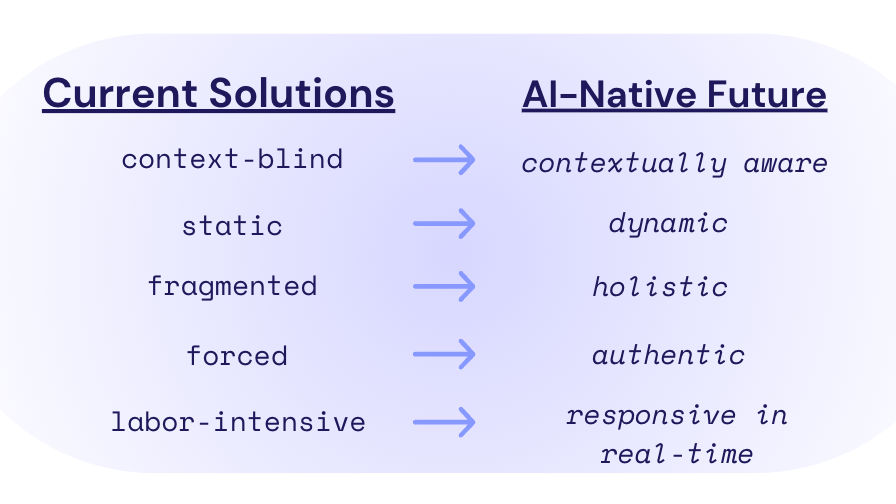
Because for most people, the hardest question isn’t “what have you done?” It’s “how do I make sense of it and explain it in a way that actually lands for this opportunity?”
Right now, the answer is some version of the same grind — reshaping a resume for the hundredth time with a link to an unchanged LinkedIn profile. But the tools we use to answer that question are about to change. Next week, I’ll break down what we’ve been building with BrandIDs - and why we think dynamic, context-aware identity isn’t just better than the resume… it’s inevitable.