
In 2023, I had advised roughly 250 students during my time as a college advisor. By 2024, ESAI had supported 250,000.
Now, in 2026, that number has more than tripled again. The reach is exciting for obvious reasons — access, equity, scale. But what has mattered even more are the student learnings that show up at volume.
When you work with a few hundred students, you get stories. When you work with hundreds of thousands, you uncover patterns. You see where students consistently hesitate, which questions stall them, what unlocks movement, and what fails. You can separate instinct from evidence.
Over the past few weeks, I’ve been sharing some of the insights that emerged from those patterns. Today, I’m excited to introduce the proprietary framework that makes them possible.
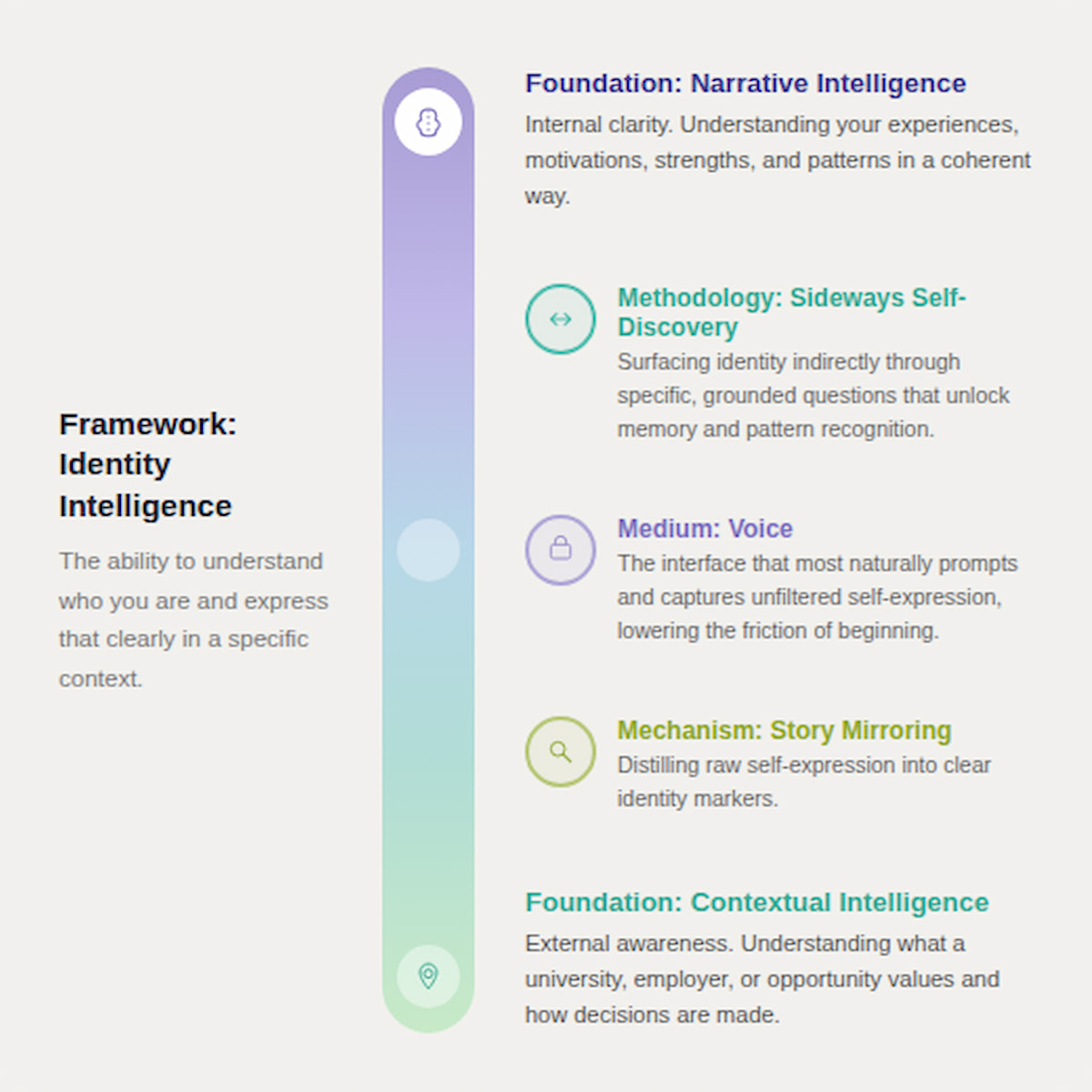
The Core: Identity Intelligence
At ESAI, everything ladders up to one outcome:
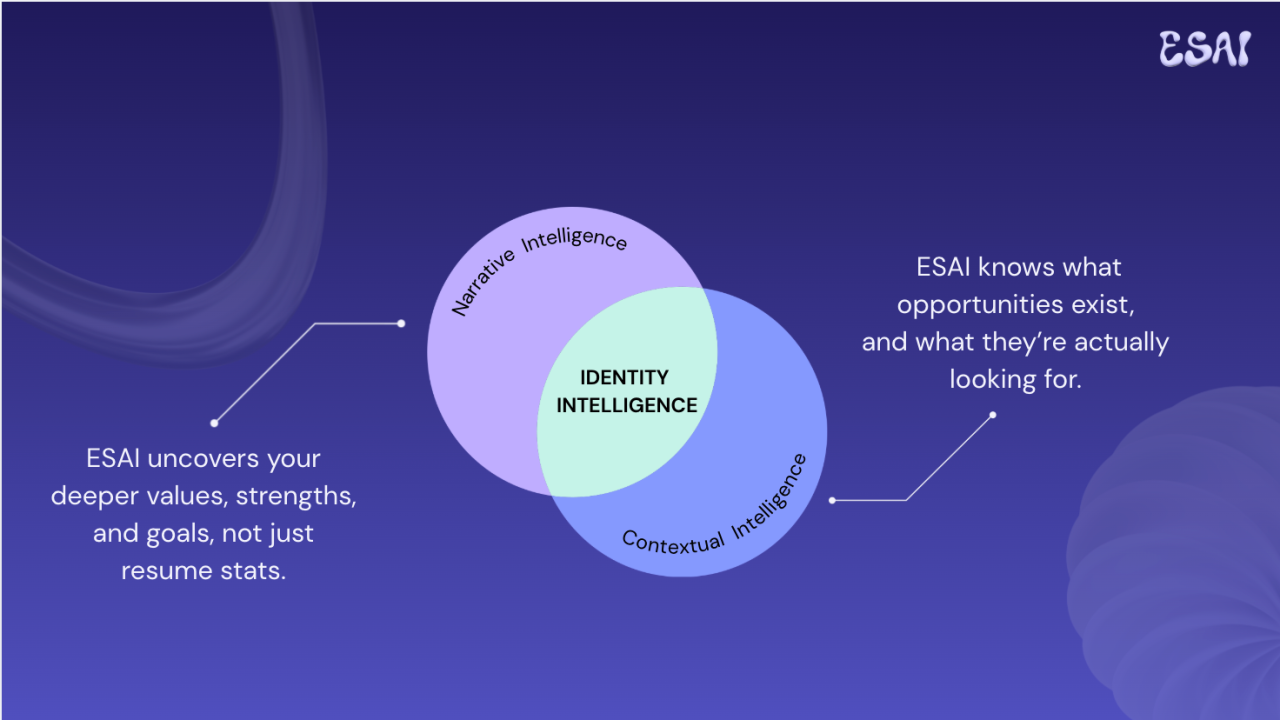
Identity Intelligence™ — the ability to understand who you are and express that clearly in a specific context.
It sits at the intersection of two forms of intelligence that are rarely taught together.
Narrative Intelligence™ is internal clarity. Understanding your experiences, motivations, strengths, and patterns in a way that feels coherent and true.
Contextual Intelligence™ is situational insight. Understanding what a university, employer, or opportunity actually values and how decisions are made.
Students are often told to “be authentic” or “position yourself strategically,” as if those are opposing forces. But the real skill is learning to do both. Identity Intelligence™ is the ability to align your authentic story with the deeper motivations of the environment you’re stepping into, without distorting who you are in the process.
When those two intelligences work together, students stop guessing what they should say. They understand what matters, why it matters, and how their story fits inside it.
The Methodology: Sideways Self-Discovery
One of the clearest patterns at scale was this: students don’t lack experiences. They lack language.
Ask a teenager to define their strengths, passions, and aspirations, and most will freeze. Not because they don’t have them, but because no one has ever taught them how to surface them. So we stopped forcing direct answers.
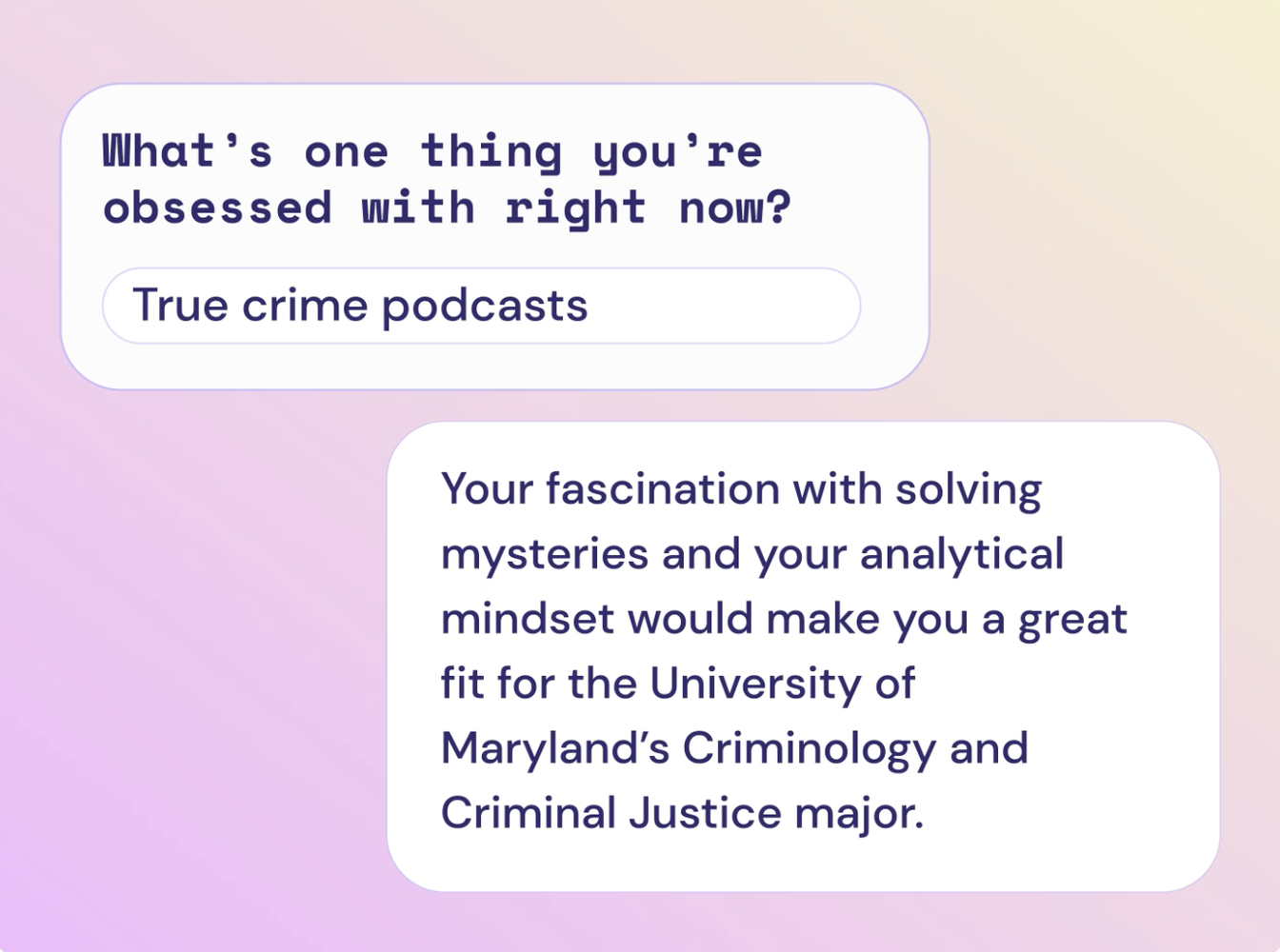
Sideways Self-Discovery means we surface identity indirectly, through specific, grounded questions that unlock memory and pattern recognition.
Instead of asking abstract prompts like “What are your strengths?”, we ask, “When was the last time someone thanked you for something?” Instead of “What are you passionate about?”, we ask, “What's the last YouTube rabbit hole you went down?”
When the conversation centers on specific experiences, consistent themes start to surface. Identity isn’t something they have to invent — it’s something we can observe.
The Medium: Voice
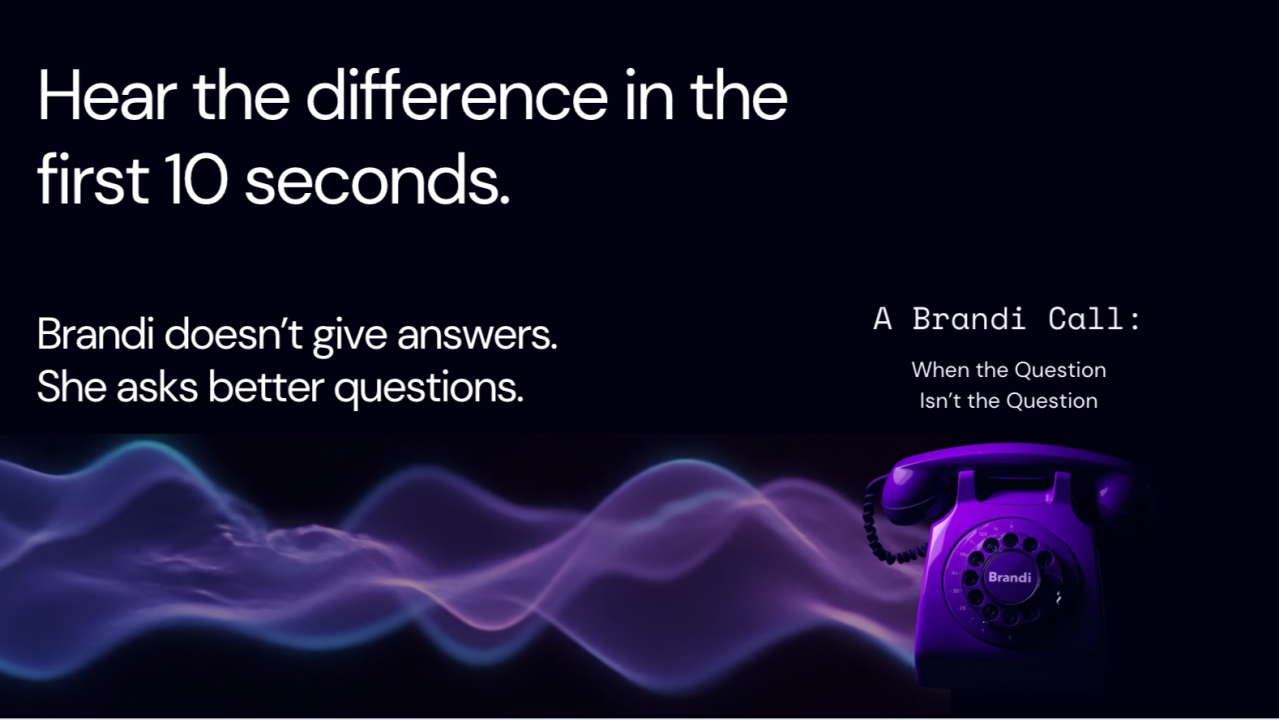
For the last couple of years, our tools were text-based. They worked. Students reflected, drafted, refined, and uncovered real signal. But through testing and observation, we noticed something subtle: interface shapes insight.
Writing makes you edit yourself. It’s inherently performative. Even when students are honest, they are composing. They try to sound polished when they often would benefit from more exploring.
Beginning from ambiguity is the hardest part of identity work. And voice lowers the cost of being unsure.
The Mechanism: Story Mirroring
Brandi distills raw self-expression into clear identity markers, translating fragmented thoughts into usable language that carries weight. Students rarely describe themselves in polished narratives. Instead, they speak in scattered observations, casual stories, and half-formed reflections. Brandi listens for the signals inside those fragments and translates them into the professional language that universities and employers recognize.
Fragment: “I hate group projects... somehow I’m the one who always has to make sure it gets done."
Signal: Accountability driver — someone who ensures ideas translate into execution.
Fragment: “I kind of get obsessed with random topics and then fall down a rabbit hole on my phone..."
Signal: Intellectual curiosity — a tendency toward deep exploration and self-directed learning.
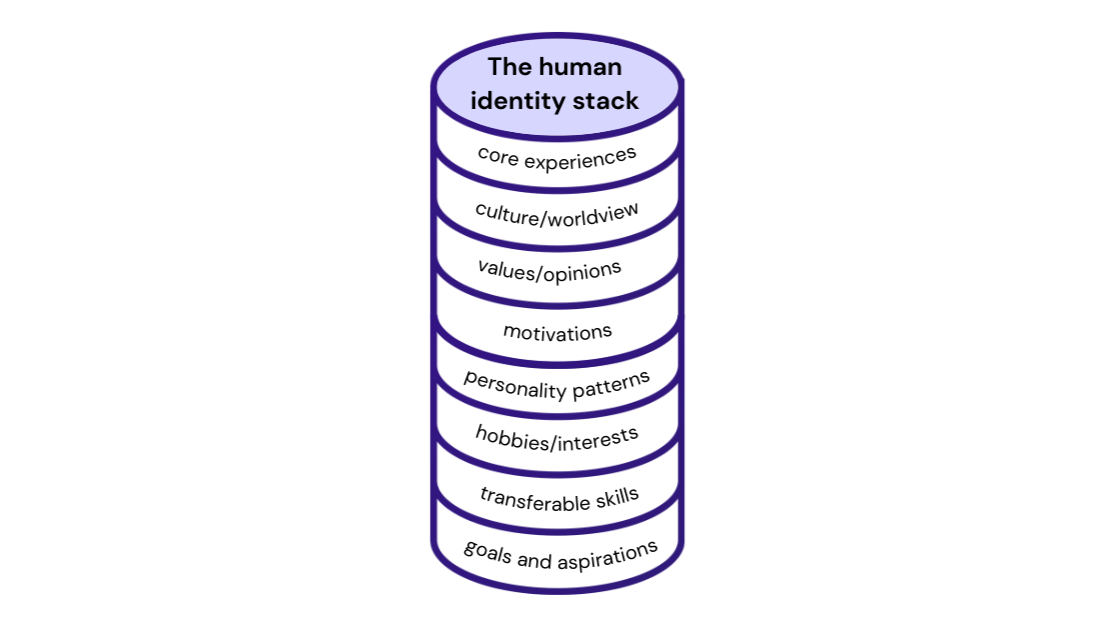
Story Mirroring is this process of distilling raw self-expression into clear identity markers.
A ramble becomes a theme. A passing comment becomes a strength. Fragmented thoughts become usable language. And a source of truth around human identity emerges.
The Outcome: Identity Fluency
Over time, this builds Identity Fluency — the ability to recognize and articulate your own patterns without external prompting.
As students continue using ESAI, they begin to see isolated moments and scattered thoughts not as random experiences, but as signals that reveal who they are and how they operate. That fluency becomes a reusable framework for navigating interviews, opportunities, and decisions long after the original conversation ends.

Two buzzy articles in The Wall Street Journal this week highlighted how executives increasingly emphasize adaptability, judgment, and self-awareness over rigid job titles, and how many Gen Z workers struggle to articulate where they add value in ambiguous environments. The gap isn’t skill or ambition. It’s translation.
The Identity Intelligence™ framework is ESAI's response to a workforce that now rewards ownership, taste, and adaptability over static hard skills. The advantage won’t belong to the most polished resume. It will belong to the person who can clearly articulate how they think, what they notice, and why they make the choices they do. At ESAI, we believe that fluency is teachable, and that every student deserves access to it.
Just like when I was advising students one-on-one, the starting point hasn’t changed: clarity doesn’t precede reflection. It grows from it.