
The hidden cost of treating college and career discovery as isolated events
I've often thought that college and career discovery should work more like checking your horoscope.
Not because astrology is predicting the future, but because millions of people have built a habit around it - a small daily ritual where they pause and ask a simple question: Does this sound like me?
Pseudoscience aside, astrology may be one of the few places where identity work exists as a (somewhat) mainstream habit. It's the ritual of briefly reflecting on who you are and how that identity connects to the situations you're navigating. College and career discovery rarely work that way.
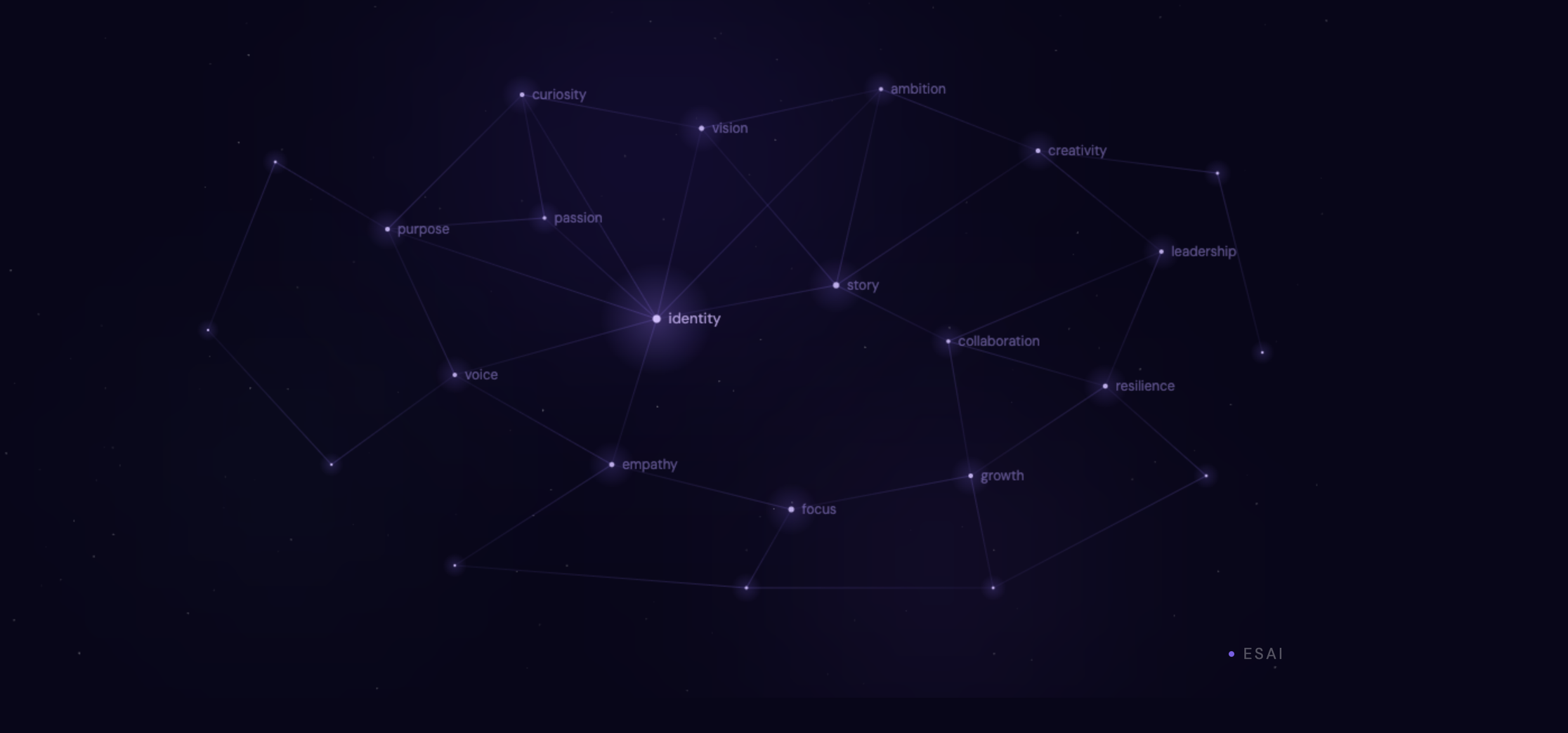
Most students encounter key identity questions only at a few high-pressure inflection points. The first major one often arrives during college applications, when students are suddenly expected to explain who they are and what drives them — sometimes for the very first time. They're asked to articulate what motivates them, what experiences shaped them, what problems they care about, and what kind of future they want to build.
When the identity process is intentional, as top college advisors, school counselors, and select platforms allow for, the work can go surprisingly deep. Students begin connecting pieces of their lives that previously felt unrelated: a childhood curiosity, a volunteer experience, a class that sparked something unexpected. Patterns start to emerge. They begin doing the early work of identity formation.
But once college decisions arrive, much of that reflection disappears. The essays are submitted. The conversations end.
Then a few years later, during internship recruiting or the first serious job search, students are expected to explain who they are again. But the version of themselves they wrote about at seventeen no longer reflects who they’ve become. Their experiences have expanded, their interests have shifted, and the questions they’re now being asked are different. Instead of building on earlier reflection, they’re forced to start from scratch
Identity isn't just a moment in time. It's a muscle. The more often students pause to notice the signals in their own lives, the easier it becomes to connect those signals to real opportunities. When those patterns are captured and built upon, professional identity becomes something that evolves gradually instead of something students are forced to invent under pressure.
Yet the systems guiding these moments are disconnected. College discovery happens first. Career discovery happens later. The reflection that should connect the two rarely carries forward.
Identity resets. But it should compound.
The moments where students are already being asked to reflect — applying to college, choosing a major, joining clubs, exploring research or internships — should not be treated as isolated decisions. They are early signals. Over time those signals begin to form patterns about what someone cares about, what they're good at, and what environments energize them.
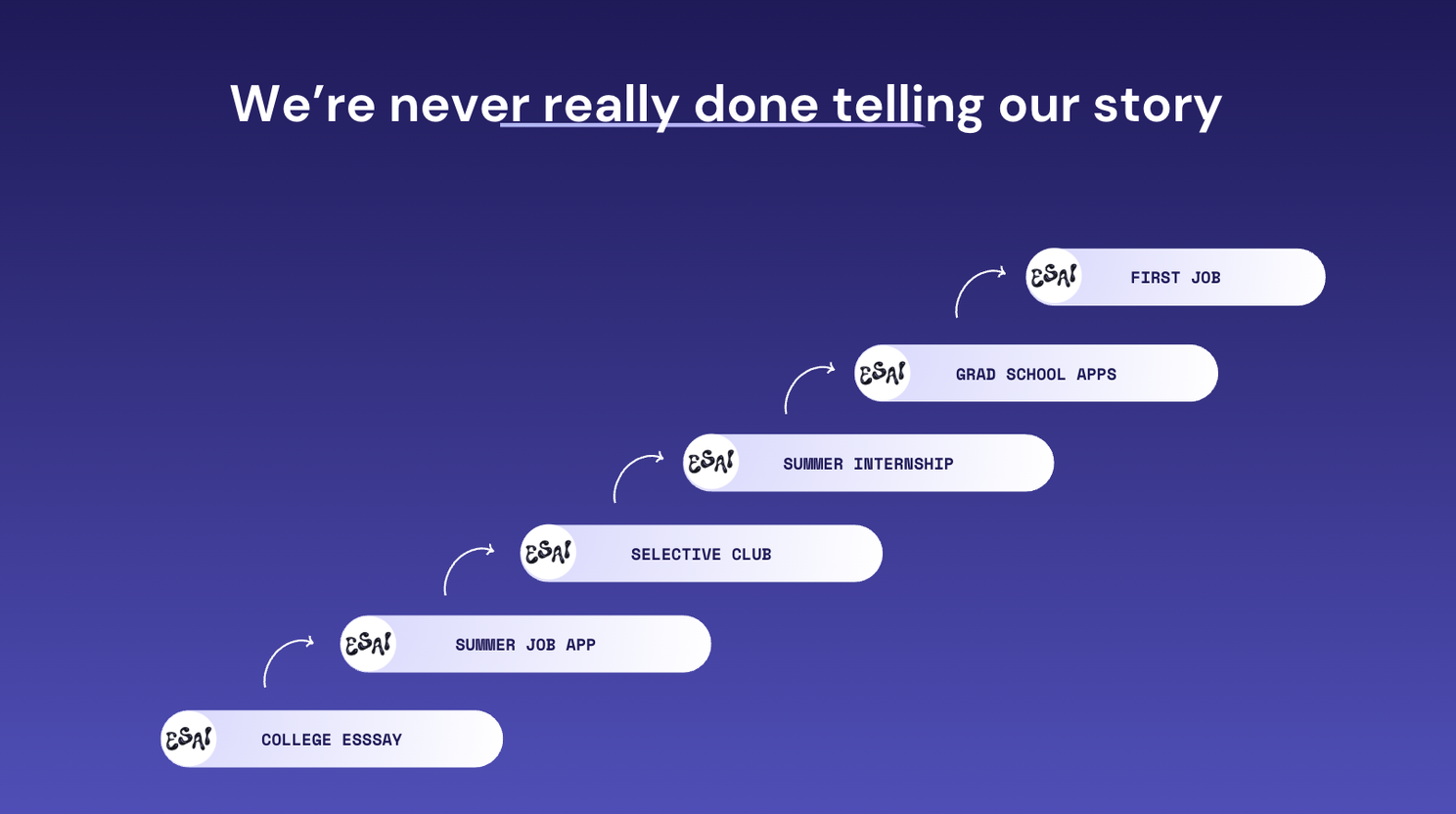
But today, those signals rarely get captured. The reflection happens once, serves a single purpose, and disappears... until the next major life moment arrives. What’s missing isn’t reflection. It’s the habit of reflection — the kind people practice almost without thinking, like scanning the tiny paragraph under Scorpio and briefly considering if it aligns with their own life.
Imagine the output of a system that captures those signals frequently and allows them to compound. A generation of students who are more self-aware, more confident, and more capable of the soft skills a dynamic workforce increasingly demands... before a deadline.