.jpg)
I used to sit on the other side of the table.
For years, I worked in college admissions, reading applications late into the night — thousands of them. Different names, different schools, different stories… but over time, they started to feel the same. Not because students were the same. But because the system made them sound that way. Everyone was trying to be impressive. Polished. Strategic. “Well-rounded.” And I get it — the pressure is real. When you’re told your future depends on how well you can package yourself at 17 years old, of course you optimize. Of course you perform. But what I kept wondering, over and over again, was: Who is this student, really? Not the version edited by five adults. Not the version shaped by what they think colleges want to hear. The real one. Because that’s what actually matters. And it was the hardest thing to find.
What most people don’t realize is that students aren’t struggling because they don’t have enough achievements.
They’re struggling because no one has ever taught them how to understand themselves. We ask them to write about their identity, their values, their goals — but we skip the part where they actually figure those things out. So they guess. They mimic. They default to what sounds “right.” And in doing that, they lose the very thing that makes them stand out.
That stayed with me long after I left admissions.
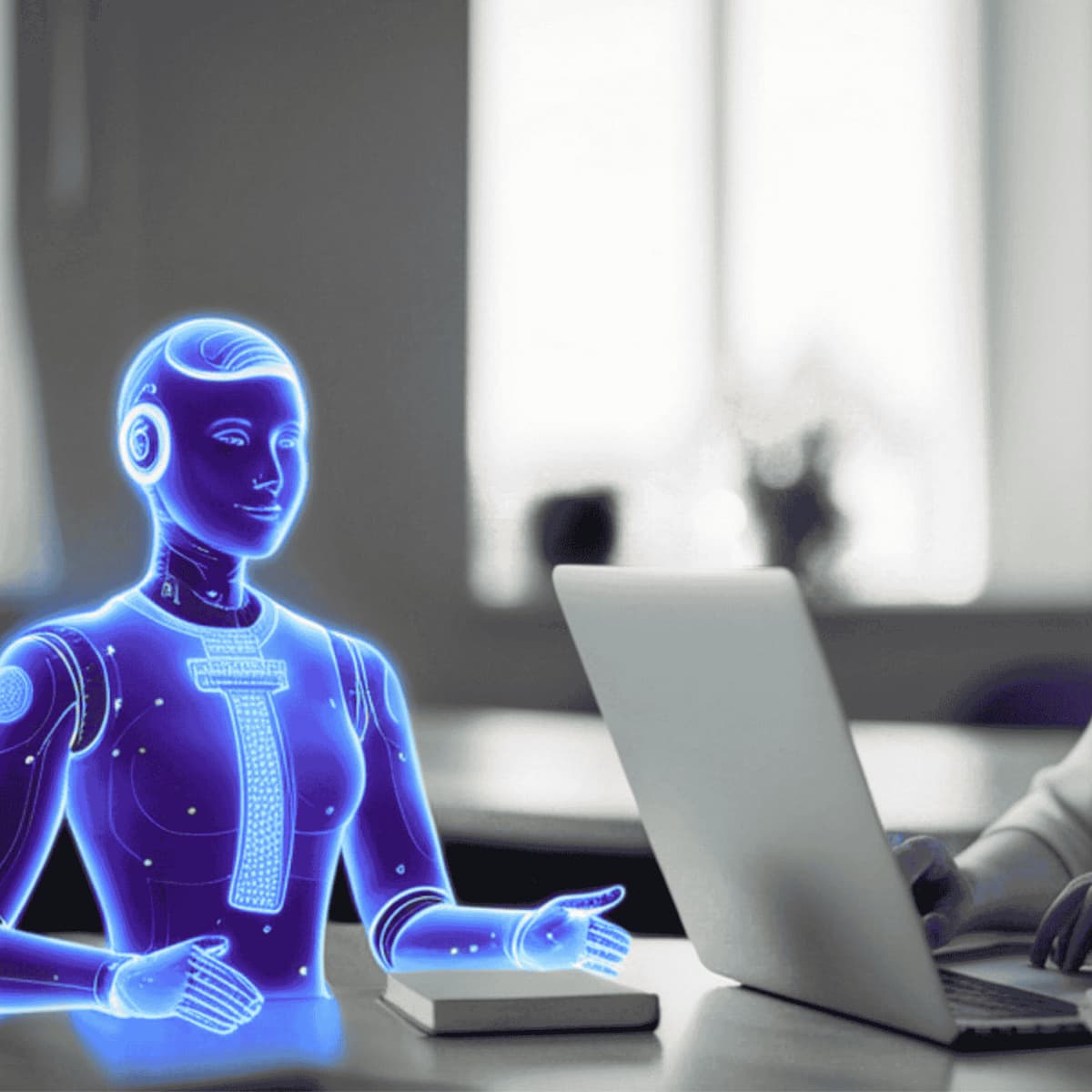
I couldn’t shake the feeling that the system wasn’t just stressful — it was fundamentally misaligned. We were evaluating students on outputs that didn’t actually reflect who they were. And at the same time, a new wave of AI tools started to emerge. Tools that could write essays. Polish resumes. Generate “perfect” answers in seconds. On the surface, it looked like progress. But to me, it felt like we were doubling down on the same problem — optimizing outputs instead of helping students understand themselves.
That’s why I built ESAI.
Not to replace the student’s voice — but to help them find it. We took everything I learned from admissions, combined it with real learning science, and built something different. A system that helps students uncover patterns in their experiences, connect the dots in their story, and understand how to communicate that in a way that actually lands. Not performative. Not generic. Not outsourced. Authentic.